


Taking Proper Care Of Your
Fireside
When proper care is applied to your fireside, the efficiency of your fuel
and the life of your boiler will be increased. If it is mismanaged
and not cared for properly, soot and other non-combustibles can start to
collect in your system. This can cause reduced heat transferred to the
water and increase your consumption of fuel. As a regular habit, the
fireside should be cleaned out once a year.
A few things to watch when maintaining your
fireside are: the type of fuel that you use, the load in which your boiler
is under, and how efficient your boiler is when combustion is taking
place. By-products from unclean fuel can combine with water in the air and
create corrosive acids that will eat away at the metal in your fireside.
Depending the load that your boiler is under will determine how often you
need to clean out your fireside. Another factor that can be included
is how well your fireside is when it comes to combustion of the
fuel. If the efficiency is poor, then you are burning far too much
fuel to be able to maintain your boiler at proper levels of
operation.
A major factor that should be taken in to
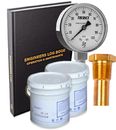
consideration is checking the burning and controls. A log should be
kept so that you can monitor if you are having to increase the amount of
time that you fireside is working. If there is a steady increase,
then perhaps it is time to check for possible soot deposits in the
fireside. Keeping a record of operation will help you to identify
the time when your boiler is running out "normal" operating
conditions.
Gaskets
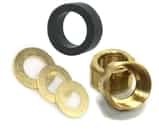
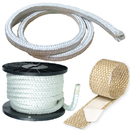
Be sure to visually checked over gaskets that are used to seal the
fireside door. You should replace the door gaskets AT LEAST once a
year or when ever the fireside is shutdown for maintenance where the door
is opened. If the gasket between that seals the door is not working
effectively then it could result in the gasket burning, steel door
deformation, and loss of efficiency.
Tube Sheets, Tubes, and Furnace
When checking over your fireside and tubes be sure to look for any sign of
blisters or other signs such as "pock marks". If there are
any evidence of these the is possible that corrosion is occurring because
of condensation with the flue gases and is forming acidic solutions.
Remedies for corrosion are as followed: Set the boiler controls so that it
is set to have the longest "on" time. When it is cycled
frequently this helps promote condensation. A minimal temperature of
170°F boiler water should be maintained to help with keeping water vapor compensating
in the flue gas.
Cleaning The Tubes
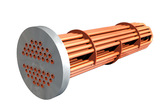
When inspecting the tubes, look for soot deposits or any kind of white
streaks which indicate that the leakage. A unit that is properly
adjusted and designed well should only need the tube to cleaned out once a
year. This would occur in a very fine tuned environment where the
unit burns natural gas. However the length of time when it comes to
cleaning the tubes varies with the type of fuel that you use in your
unit. In some situations, it may be required that you clean the
tubes once or twice a week. If you notice a layer of soot in a short
period of time, this would indicate that the fuel-to-air mixture in the
fireside is running to "rich", where there is more fuel than
air. This causes the fuel to not burn efficiently. This can be
remedied by adjusting the ratio between fuel and air. If you are
looking to try and save time on inspection, try installing a thermometer
in the flue gas vent outlet on your boiler. If there is a rise in
temperature, it means that the tubes may be collecting soot and need to be
cleaned. |